

Bioprocess Plants – Techmi Group
Bioprocess Plants - Techmi Group
Turnkey bioprocess plants, custom-designed and assembled.
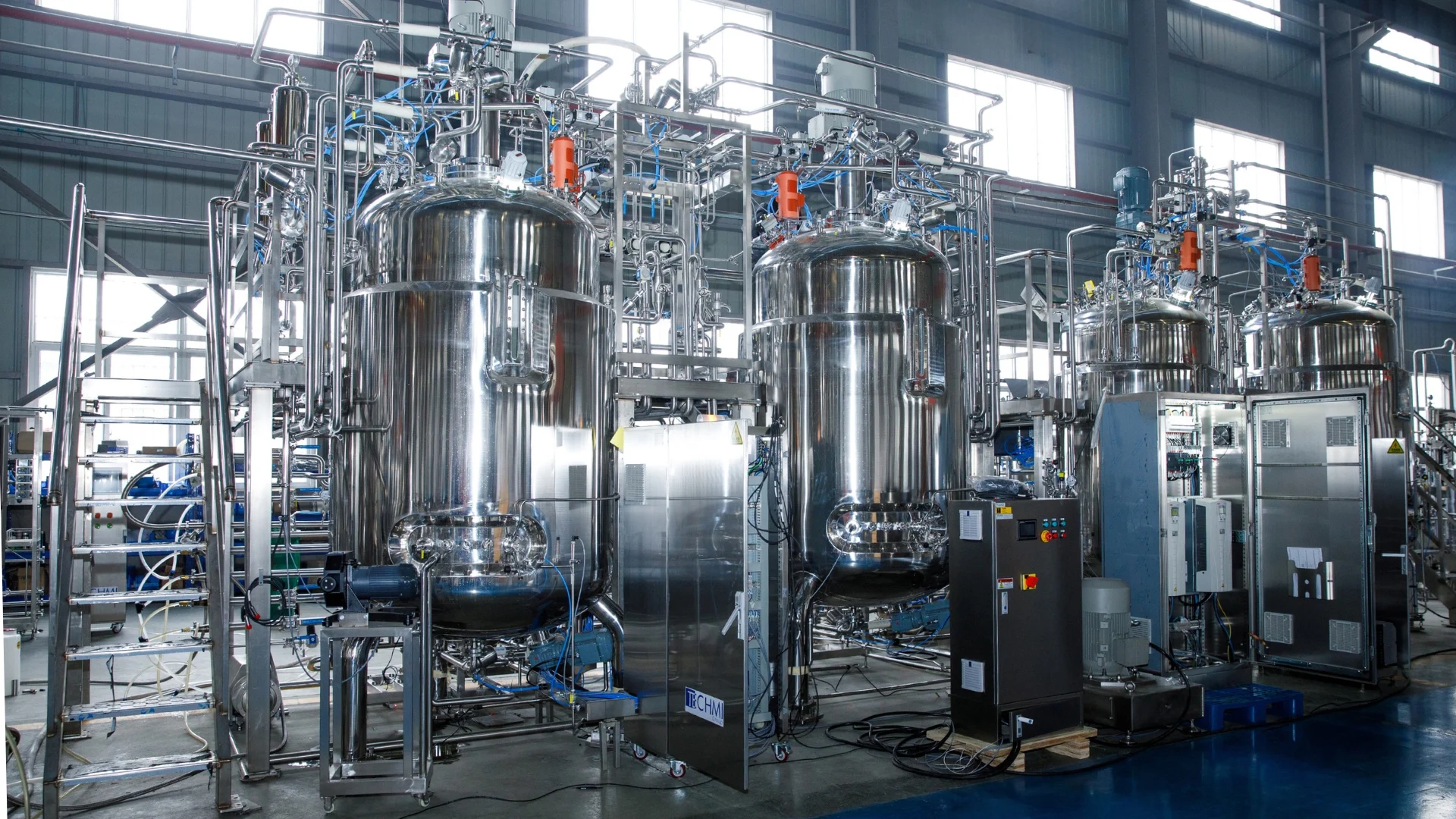
Techmi Group designs, manufactures, integrates, and installs bioprocess plants for the biotechnology, food, pharmaceutical, cosmetics, chemical, and agro-industrial sectors. We develop custom solutions that enable control over every stage of the process, from cultivation and fermentation to separation, concentration, drying, formulation, and packaging of the final product.
Each plant is configured according to the microorganism, the product, the production capacity, and the client’s specific requirements. Our technical team analyzes the entire process to select the appropriate equipment, define its layout, and integrate the control systems, auxiliary facilities, and necessary connections.
At Techmi Group, we handle every phase of the project: engineering, equipment selection, manufacturing, automation, assembly, installation, and commissioning. We also support the client during testing and process optimization, making the necessary adjustments to adapt the plant to its actual production conditions.
Equipment That Makes Up a Bioprocess Plant
Our plants can include:
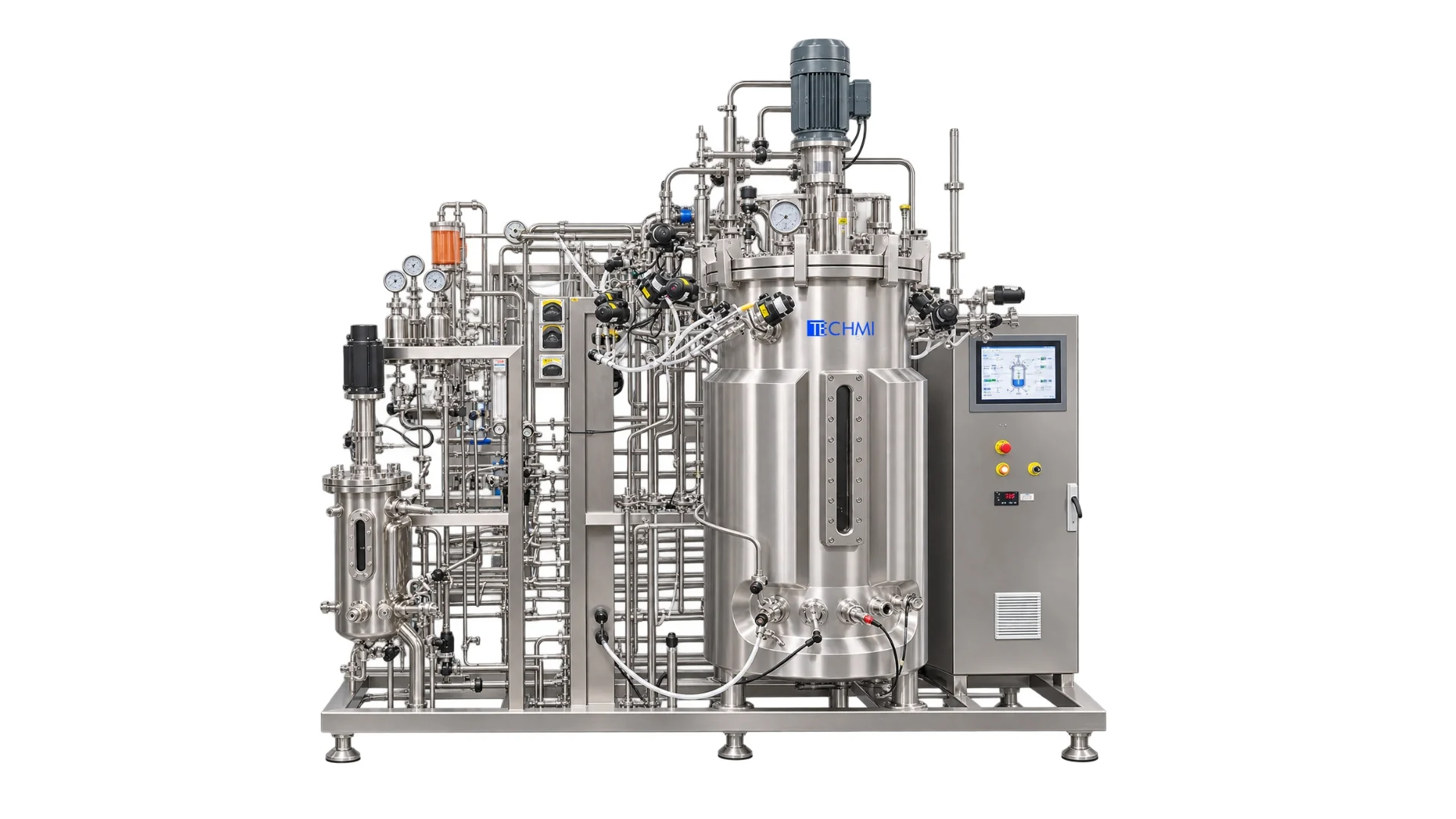
•Bioreactors and fermenters for laboratory, pilot-scale, and industrial production.
•Solid-state fermenters for the cultivation of fungi, bacteria, and actinomycetes.
•Tanks for medium preparation, feeding, storage, and formulation.
•Agitation, aeration, and control systems for temperature, pH, and dissolved oxygen.
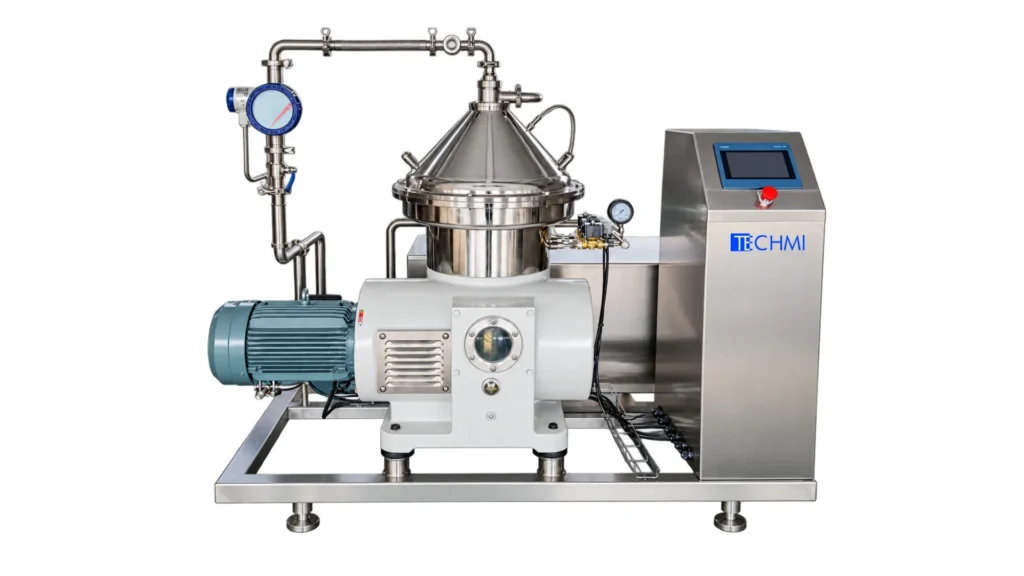
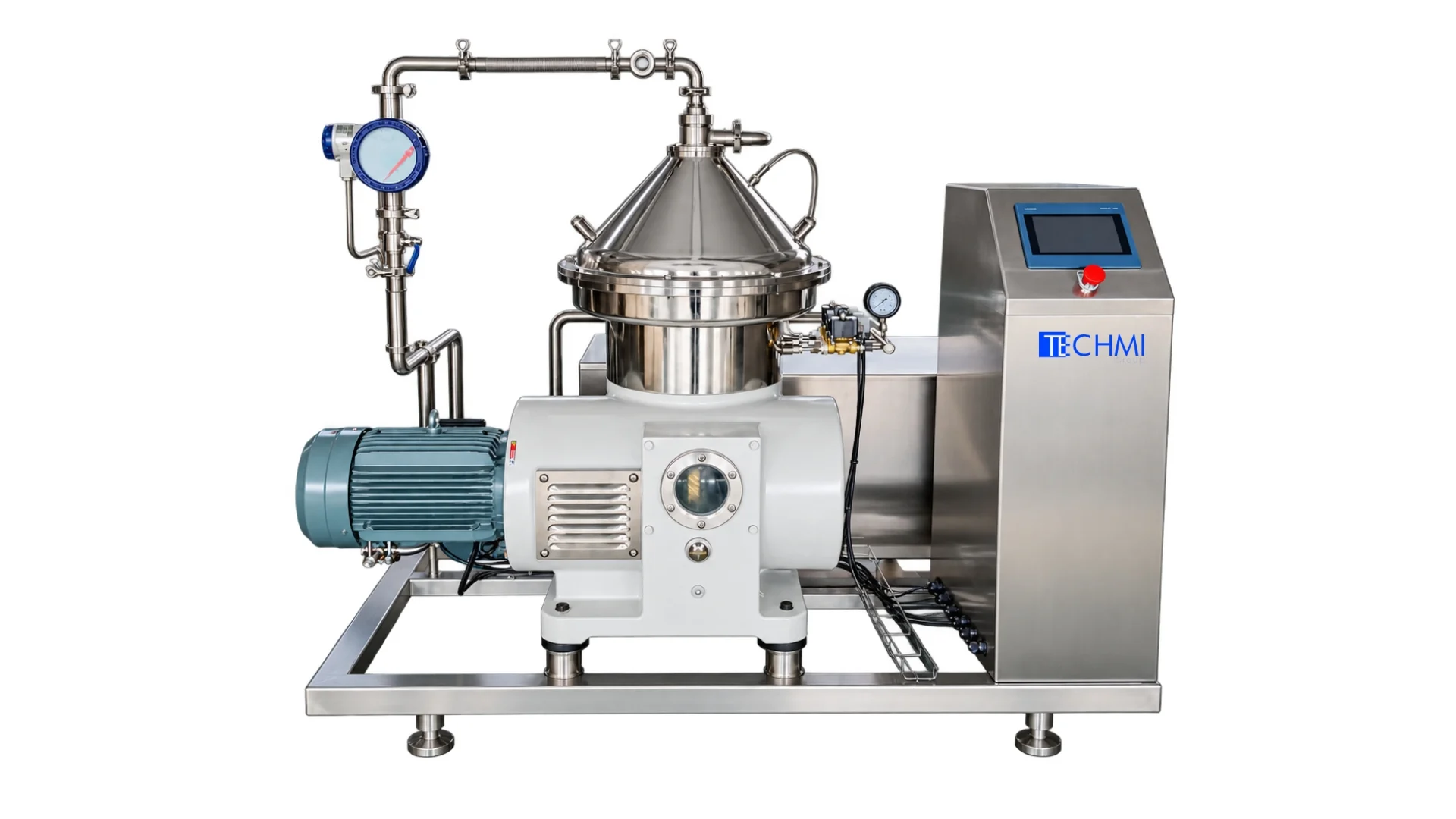
•Centrifuges and centrifugal separators for biomass recovery and phase separation.
•Filtration equipment and continuous belt filters.
•Evaporators and concentration systems.
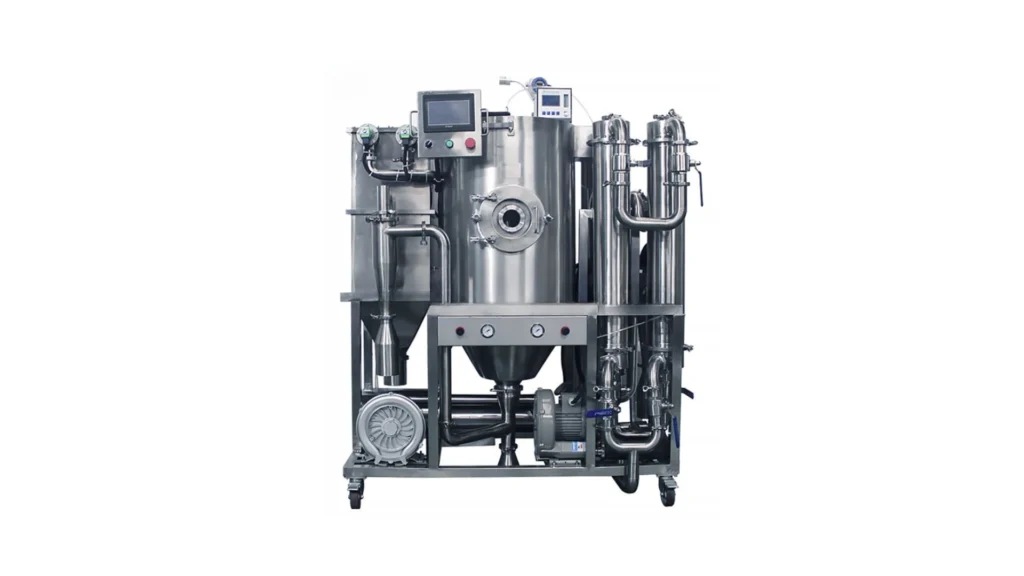
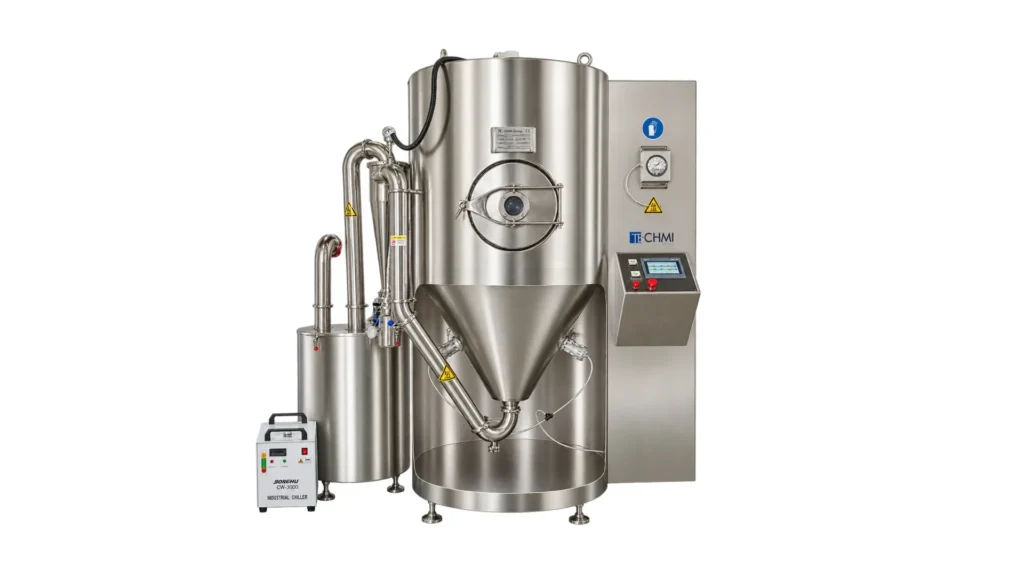
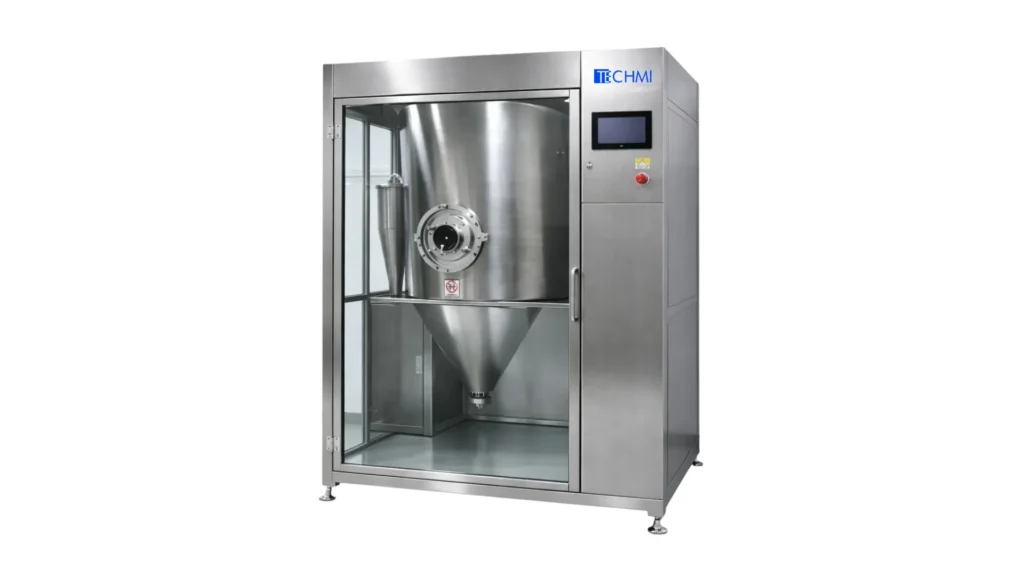
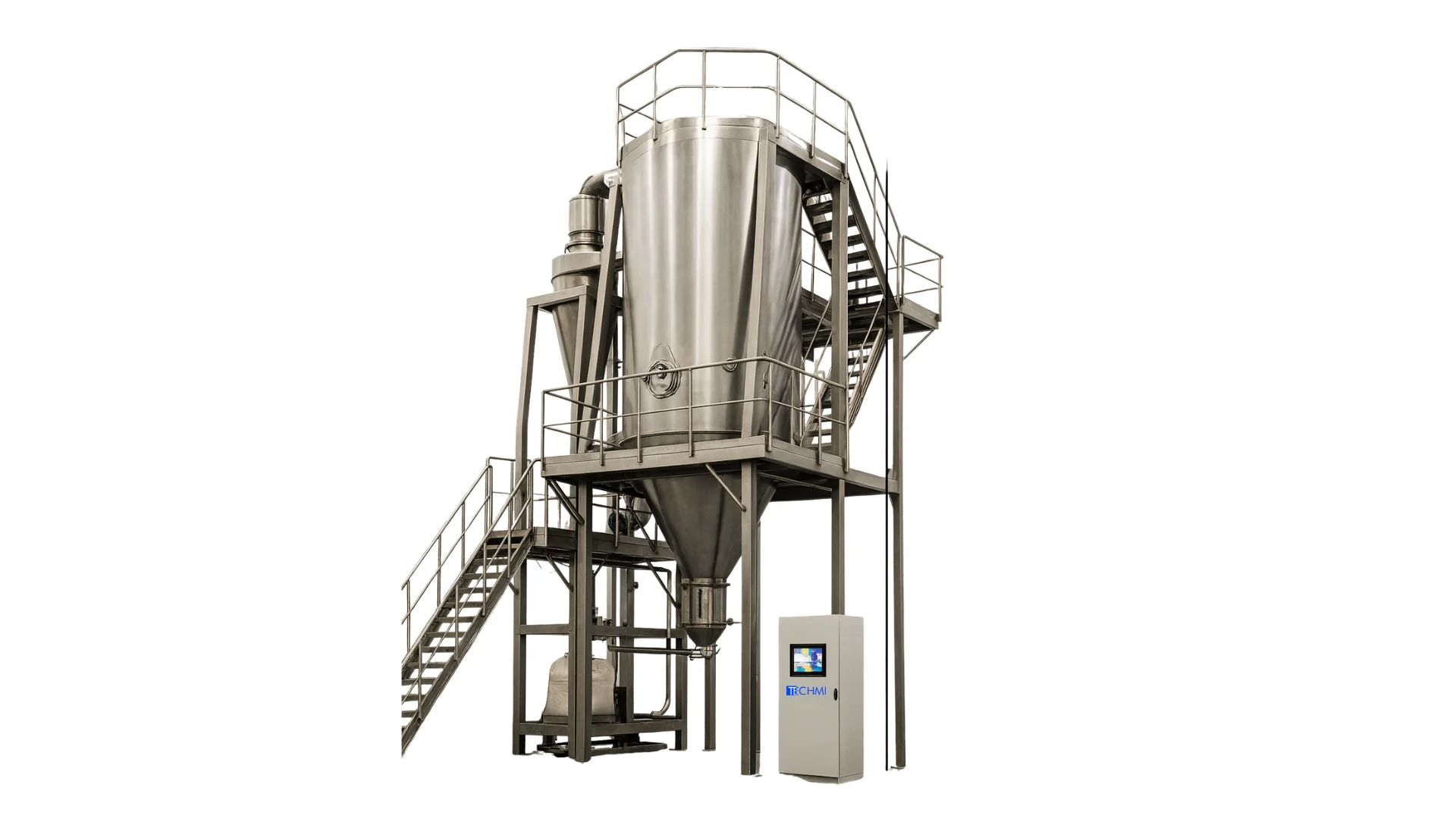
•Spray dryers.
•Freeze dryers for temperature-sensitive products.
•Grinding and micronization equipment.
•Emulsification, mixing, and formulation systems.
•CIP and SIP systems for cleaning and sterilizing equipment.
•Packaging, boxing, wrapping, and palletizing lines.
The equipment can be integrated using PLCs, HMI screens, and SCADA systems, which facilitate process automation, control of critical parameters, recipe management, data logging, alarm display, and traceability for each batch.
From the Laboratory to Industrial Production
A bioprocessing plant must be designed with the future evolution of the process in mind. That is why we offer solutions ranging from small laboratory volumes to industrial-scale capacities, while maintaining control over variables such as temperature, agitation, aeration, pH, dissolved oxygen, and nutrient feeding.
This approach allows for process development, pilot testing, and subsequent scaling up to a larger production scale. Careful selection of the bioreactor, separation systems, and post-treatment equipment is essential for maintaining quality, yield, and reproducibility during scaling.
Techmi Group’s bioprocess plants are designed for the following sectors:
1. Biotechnology
2. Food
3. Pharmaceuticals
4. Cosmetics
5. Chemicals
6. Agro-industry
Frequently Asked Questions
What is a bioprocessing plant?
It is an industrial or pilot-scale facility where microorganisms, cells, enzymes, or other biological systems are used to produce target products. It may include stages such as fermentation, separation, concentration, drying, formulation, and packaging.
What equipment does a fermentation plant need?
It typically includes bioreactors or fermenters, media preparation tanks, aeration and agitation systems, control instrumentation, biomass separation equipment, and systems for post-processing the product.
Does Techmi Group manufacture custom bioprocess plants?
Yes. We design each plant according to the process, the required capacity, the product characteristics, and the customer’s automation needs.
Is it possible to integrate laboratory and industrial production equipment?
Yes. The project can be planned starting with initial laboratory tests and continue with pilot and industrial equipment, facilitating the progressive scaling of the bioprocess.
Can the plants include automation and traceability?
Yes. The equipment can incorporate PLCs, HMIs, and SCADA systems to control process parameters, store data, manage recipes, display alarms, and improve the traceability of each batch.
Products
Related Products
In this category, you will find more products.